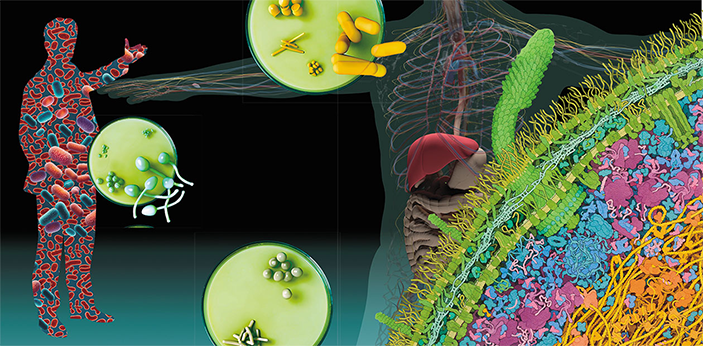
Microsciences in Medicine: The Impact of the Microbiome on Human Mental Health
Over the past decades, research on the human microbiome — the collection of microorganisms inhabiting the human body — has become one of the most rapidly developing fields in medicine. Not only gastroenterology and immunology, but also psychiatry, neurology, and endocrinology now consider the influence of the microbiota on health. Particularly significant is the connection between the gut and the brain — the so-called gut-brain axis. This area opens new horizons in understanding depression, anxiety, autism, stress, and cognitive disorders, providing additional tools for diagnosis and therapy. Today it is clear that mental health is not only a matter of neurotransmitters and psychotherapy. It is closely linked to the state of the gut microbiota, levels of inflammation, metabolism, and immune response. The influence of the microbiome goes far beyond digestion—it…