The development of space technologies and plans for the exploration of the Moon and Mars raise new questions for humanity: how can we maintain environmental balance on other celestial bodies, and what responsibility do we have for artificially created ecosystems? Space exploration is no longer science fiction: future settlements on the Moon and Mars will inevitably face problems of pollution, environmental disruption, and the need for sustainable interactions with ecosystems, if they are created at all. Understanding these issues is crucial for scientists, engineers, policymakers, and society as a whole in order to minimize risks and uphold ecological ethics beyond Earth.
Ecological Principles and the Ethics of Space Exploration
Space exploration presents humanity with unique ethical and ecological challenges. On Earth, ecosystems developed over millions of years, creating complex interactions between biotic and abiotic components. On the Moon and Mars, such ecosystems do not exist; however, human activity has the potential to create new ones—artificial or partially natural.
The ethical dimension raises key questions: do we have the right to alter planetary environments that are initially barren but may potentially harbor microbial life? How can we prevent contamination of areas that may be important for scientific research or future biological experiments?
The concept of space environmental responsibility implies that human activity should have minimal impact on the natural conditions of other celestial bodies. This includes:
-
controlling the release of chemical substances;
-
preventing the accidental transfer of Earth microbes;
-
protecting potential abiotic and biotic environments from destruction.
Historical experience on Earth demonstrates that without regulation and ethical consideration, human activity can have irreversible consequences. Examples include coral reef degradation, deforestation of the Amazon, and ocean pollution with plastics. Applying these lessons to space can help establish sustainable planetary exploration practices and avoid mistakes previously made on Earth.
Technological Challenges and Artificial Ecosystems
 Exploring the Moon and Mars requires creating closed ecosystems capable of supporting human life. These systems must regulate air, water, food, and energy. One approach is the Bioregenerative Life Support System (BLSS), where plants and microorganisms maintain the balance of oxygen and carbon while recycling waste.
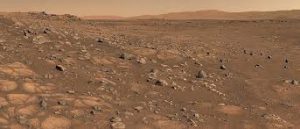
On the Moon, where there is no atmosphere and water exists only as ice in polar craters, such systems must be fully autonomous. On Mars, there is carbon dioxide and traces of water, but atmospheric pressure and radiation make natural resource utilization impossible without technological protection.
Creating closed ecosystems presents several challenges:
-
Pollution control: Any chemical waste, including fuel emissions, biological waste, and chemical reagents, must be carefully managed. Even small contamination can disrupt the balance of a closed ecosystem.
-
Resource recycling: Water, air, and food must be recycled to the maximum extent. Failures in BLSS systems can lead to ecosystem collapse and threaten human survival.
-
Maintaining biological diversity: If plants are cultivated, species diversity must be maintained to ensure ecosystem resilience and adaptation to changing conditions.
Experiments on Earth, such as Russia’s BIOS-3 and NASA Veggie and Lunar Greenhouse, demonstrate that creating closed ecosystems is possible but extremely complex. Any technological error can have catastrophic consequences for the health and survival of humans in space.
State and International Responsibility
The protection of the space environment is not only a technical issue but also a political one. International law regulates the use of space and encourages responsible behavior. Key documents include:
-
The 1967 Outer Space Treaty — prohibits contamination of celestial bodies, requires prevention of harmful impacts on other planets, and ensures their exploration is open to all countries.
-
The Convention on Liability for Damage — establishes state responsibility for damage caused by space objects.
National programs actively develop standards for environmentally responsible exploration of the Moon and Mars. For example:
| Country/Agency | Program | Key Measures | Features |
|---|---|---|---|
| USA (NASA) | Artemis Program | Moon environment protection, debris minimization, control of biological materials | Plans long-duration human missions; follows international principles |
| European Union (ESA) | Lunar Exploration Initiatives | Environmental monitoring, collaborative scientific research | Focus on international cooperation and environmental audits |
| China (CNSA) | Lunar and Mars Exploration | Pollution limitation, scientific zone preservation | Developing protocols to protect lunar soil and atmosphere |
| Russia (Roscosmos) | Lunar-Resource Research | Natural resource protection, emission control | Includes international consultations and scientific experiments |
| UN / COPUOS | Guidelines for the Long-Term Sustainability of Outer Space Activities | Recommendations to prevent contamination and ensure safe planetary exploration | International standards serving as guidance for all states |
These programs demonstrate that protecting the space environment requires a combination of national measures and international collaboration. Any violation of standards could lead to irreversible contamination, making future missions difficult or impossible and threatening scientific research.
Social and Cultural Aspects of Space Exploration
The issue of ecology beyond Earth is not limited to science and technology. Social aspects include humanity’s responsibility to future generations and the perception of space as a “common heritage.”
Humanity forms its values not only through material benefit but also through moral principles. Exploration of the Moon and Mars implies that every mission must consider long-term consequences, not just immediate goals. An example is the concept of Planetary Protection, actively applied by NASA and ESA, which prohibits contamination of planets with terrestrial life and safeguards future scientific research from distortion.
The cultural dimension also includes promoting ideas of sustainable space exploration. Society must understand that colonies on the Moon or Mars are not merely technological objects but spaces where ethics and responsibility play a central role. Education and media help cultivate awareness of space stewardship, making the topic accessible to a wide audience and encouraging global dialogue about the future of planetary ecology.
Key Takeaways
-
Exploring the Moon and Mars requires an environmentally and ethically responsible approach to minimize human impact.
-
Closed bioregenerative ecosystems are necessary for life support and require strict resource and pollution management.
-
States and international organizations are responsible for complying with space protocols and preventing contamination.
-
International law and COPUOS guidelines establish standards for environmentally safe planetary exploration.
-
Social and cultural responsibility shapes public attitudes toward future colonies and promotes sustainable space development.
Conclusion
Exploring the Moon and Mars opens new opportunities for humanity but simultaneously raises serious ecological and ethical challenges. Creating closed ecosystems, controlling pollution, and adhering to international standards are key elements for safe and sustainable space exploration. States, international organizations, and society must act together to preserve planetary environments for future generations. Responsible engagement with space today determines whether future colonies on the Moon and Mars can develop safely, effectively, and in harmony with the natural conditions of these worlds.
